
Traceable calibration in working labs
What traceability to national standards actually asks of a calibration record, and how to keep status checkable without pulling the instrument.
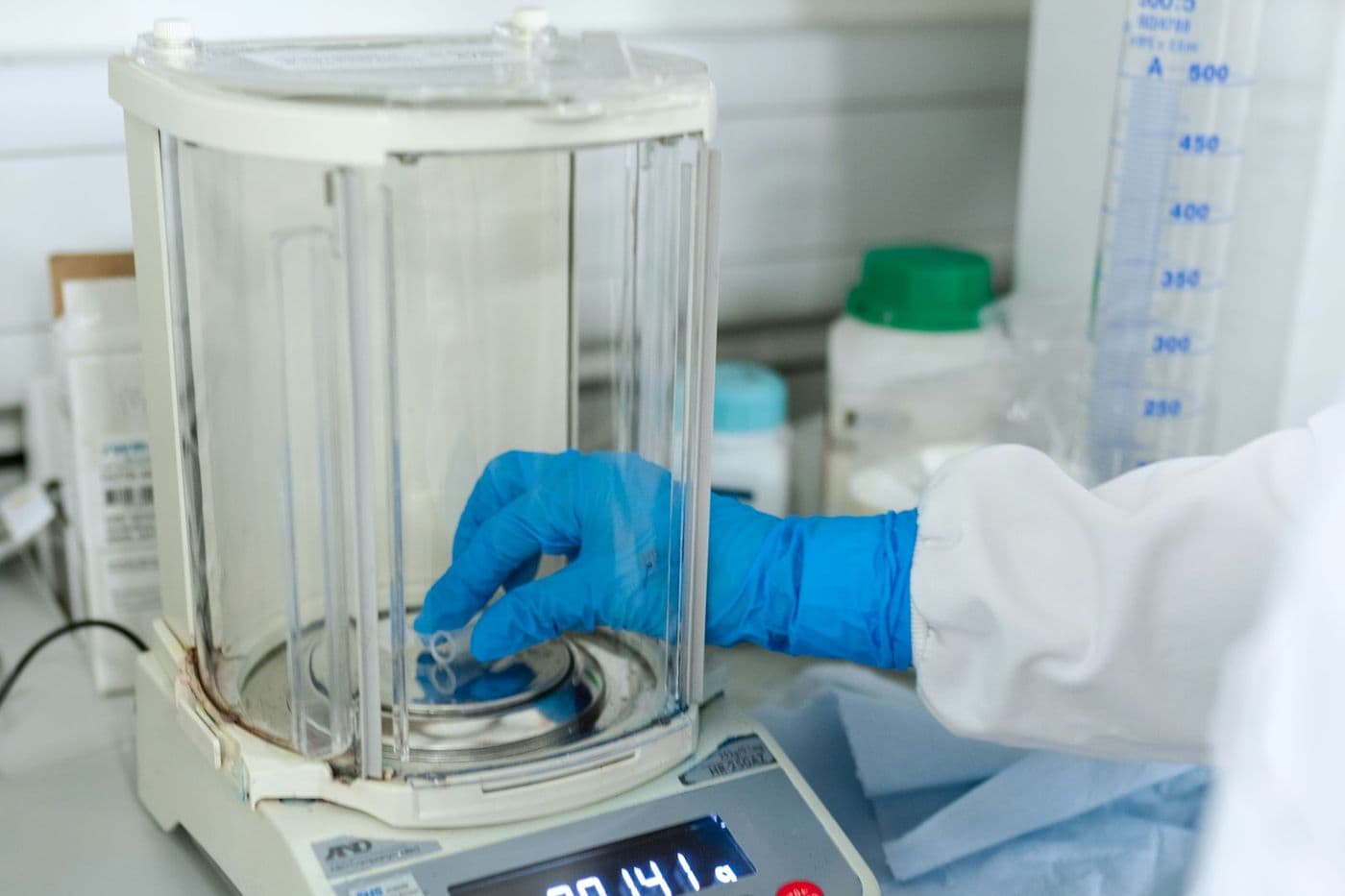
A calibration certificate that says “traceable to national standards” has made a claim. Showing it takes more: the reference used at each point, the uncertainty, the reading before any adjustment, and whether the laboratory’s accreditation covered that calibration at all. And when a balance or a chamber probe is found out of tolerance, the certificate only opens the harder question of which results it affected, and since when.
This whitepaper sets out what 21 CFR 211 and EU GMP ask of calibration, what metrological traceability and ISO/IEC 17025 accreditation add and do not add, how to read a certificate before accepting it, how to keep calibration status checkable from the record without pulling the instrument, and how to assess an out-of-tolerance finding against past results.
Inside this whitepaper
- 01What GMP asks of calibration
- 02Traceability is a property of the result
- 03What accreditation adds, and what it does not
- 04Read the certificate before you accept it
- 05Keep status checkable without pulling the instrument
- 06When an instrument is found out of tolerance
- 07Where GAMP Lifetech fits
Free to read
Leave a few details to open the whitepaper
It opens on this page as soon as you send them, and so does every other piece in the library.